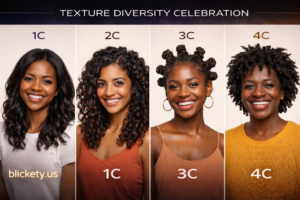
Why We’re Still Not Over the ‘Good Hair’ Myth — And the Black Brands Proving It Wrong
We’ve all heard it. “Good hair.” The phrase that used to mean straight, long, light, silky — anything that wasn’t our coils, kinks, or crowns in their natural state. Moreover, it wasn’t just words; it was a hierarchy. A quiet (and sometimes loud) ranking of whose hair was worthy, whose was “manageable,” whose was “professional.”
And let’s be honest: some of us internalized it. We spent years chasing relaxers, weaves, heat damage, and products that promised to “tame” what was never meant to be tamed.
But the truth has always been simple: there is no “good” hair. There is only our hair. Furthermore, the best care for it has always come from people who understand it — because they live it.
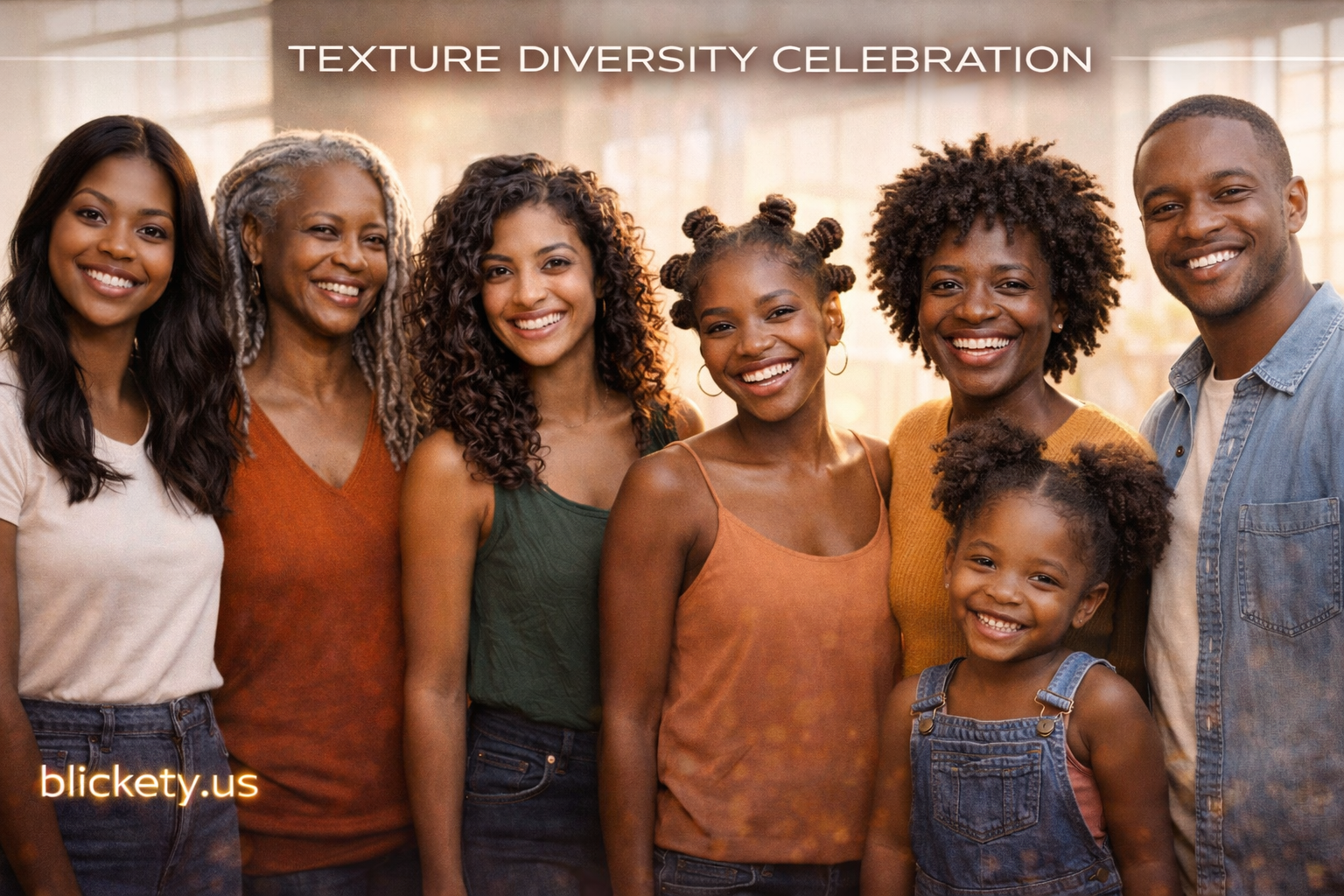
In 2025, the myth is crumbling faster than ever. Black-owned brands aren’t just making products; they’re rewriting the narrative. Specifically, they’re formulating for 4C shrinkage, 3B bounce, 2C waves, edges that refuse to lay, and scalps that deserve love — not “fixing.” Ultimately, they’re proving that beauty isn’t about conforming to someone else’s standard. It’s about owning ours.
Where the “Good Hair” Myth Came From — And Why It Still Haunts Us
The ranking of Black hair textures didn’t start with us. Instead, it’s a colonial inheritance, born from centuries of White supremacist beauty standards that positioned European features as the ideal and everything else as deviation.
The Survival Strategy That Became Internalized Oppression
Post-slavery, proximity to Whiteness became a survival strategy. Looser curls, lighter skin, straighter hair — these markers could mean better treatment, better jobs, entry into spaces that determined economic mobility. Consequently, the myth became embedded in our communities because it was literally a matter of survival.
By the 1990s and early 2000s, the relaxer boom had millions of Black women and girls sitting in salon chairs, scalps burning, chasing a version of ourselves that required chemical alteration every six to eight weeks. Dark & Lovely. Just For Me. Soft & Beautiful. Meanwhile, billion-dollar companies built empires selling us the idea that our natural texture needed correction.
Media Reinforcement and Generational Damage
Media reinforced it constantly. Music videos celebrated long, flowing weaves. Magazine covers featured the same narrow range of acceptable Blackness. Even within our own families, compliments about “good hair” taught children that their natural texture was somehow less than.
As a result, the damage was deep. Not just to our hair follicles and scalps, but to how we saw ourselves. To how we taught our daughters to see themselves.
The Turning Point: Reclaiming Our Crowns
But something shifted. YouTube tutorials. Natural hair blogs. The big chop movement. Solange’s “Don’t Touch My Hair.” Lupita Nyong’o on magazine covers wearing her close-cropped crown like royalty. Gradually, we started unlearning. We started remembering that our hair, in its natural state, is not a problem to be solved.
The Black-Owned Beauty Revolution: Brands That Actually Get It
Here’s what makes 2025 different: we’re not just wearing our natural hair. Instead, we’re funding, building, and supporting brands that understand our hair as the complex, beautiful ecosystem it is.
These aren’t companies trying to “fix” us. Rather, they’re companies celebrating us — and making real money doing it.
Mielle Organics: From Kitchen to Empire
Monique Rodriguez started Mielle Organics in her kitchen in 2014 after struggling to find products that worked for her hair post-pregnancy. Notably, her Rosemary Mint Scalp & Hair Strengthening Oil became a viral sensation not because it promised to change Black hair, but because it nourished it exactly as it is.
In 2023, Procter & Gamble acquired Mielle, valuing the company at an estimated $100 million. The lesson? Products formulated for Black hair by Black founders who understand our scalps, our textures, and our needs aren’t niche — they’re necessary. And they’re profitable.
Mielle’s success proved that when you center Black women’s actual hair needs instead of trying to conform to mainstream beauty standards, you build loyalty that translates into generational wealth.
Pattern Beauty: Tracee Ellis Ross Brings Luxury to Natural Texture
When Tracee Ellis Ross launched Pattern Beauty in 2019, she wasn’t trying to create another product line. On the contrary, she was filling a void she’d experienced her entire life: luxury hair care designed specifically for curls, coils, and tight textures.
Pattern doesn’t promise to make your hair anything other than what it is. In fact, the brand’s curl defining cream works with 3A to 4C textures, providing moisture and definition without the underlying message that your natural texture needs “taming.”
Ross built Pattern on the principle that Black women deserve beautiful packaging, high-quality ingredients, and products designed for us from the ground up — not as an afterthought in someone else’s product line.
Sienna Naturals: Clean Beauty Without Compromise 
Hannah Diop and Issa Rae co-founded Sienna Naturals after Diop’s daughter experienced a scalp reaction to conventional hair products. Consequently, the brand focuses on clean, non-toxic formulations that work specifically for textured hair.
What makes Sienna Naturals revolutionary isn’t just their ingredient transparency — it’s their refusal to position Black hair care as a “special needs” category. Their H.A.P.I. (Honey, Avocado, Pumpkin Seed, Irish Moss) formula treats textured hair as the standard, not the exception.
Additionally, the brand commits to community impact, funding scholarships for Black students and supporting environmental justice in Black communities. This is Afro-Futurism in practice: building beauty companies that don’t just sell products but invest in collective liberation.
The Doux: Edge Control That Actually Understands 4C Hair
Maya Smith created The Doux specifically for the textures mainstream brands consistently ignore: 4B, 4C, and everything in between that shrinks, coils, and demands moisture.
Remarkably, the brand’s Mousse Def Texture Foam and Bee Girl Beach Waves actually work on tight textures without the crunch, flaking, or white residue that plagues so many “universal” products. Smith understands that 4C hair isn’t difficult — it’s just different. And different deserves products designed with intention.
Furthermore, The Doux centers edge care without shame. Edges that won’t lay aren’t a problem to be solved with more gel. Sometimes they’re a sign your hair is healthy, protected, and doing exactly what it’s supposed to do.
Camille Rose: Moisture Without the Grease
Camille Rose Naturals understands that moisture and grease aren’t the same thing. Similarly, their Almond Jai Twisting Butter provides slip and hydration without the heavy buildup that can suffocate 4C strands.
The brand’s founder, Janell Stephens, formulated products based on her grandmother’s recipes — connecting ancestral hair wisdom with modern ingredient science. This bridging of past and future is exactly what Afro-Futurism looks like in beauty: honoring what our grandmothers knew while building new systems for the next generation.
Briogeo: Scalp Care as Self-Care
While not exclusively Black-owned, Briogeo’s founder Nancy Twine created the brand after her mother’s death from cancer, focusing on clean ingredients and scalp health. Importantly, the brand’s Scalp Revival collection treats Black hair and scalps as the complex ecosystems they are.
Healthy hair starts with healthy scalps — a truth that gets lost when brands focus only on texture manipulation. Briogeo’s charcoal and tea tree oil scalp treatment actually clears buildup and promotes growth without stripping natural oils that protect Black hair.
The Indie Wave: Beauty Beyond Hair
The Black-owned beauty revolution extends beyond hair care into holistic self-care:
Topicals by Olamide Olowe treats hyperpigmentation and skin health with the same ingredient transparency and cultural competence that natural hair brands pioneered. Specifically, their Faded Serum addresses dark spots and uneven tone that disproportionately affect melanated skin.
Mented Cosmetics creates lip colors and makeup for all skin tones — but especially the deeper shades that mainstream brands ignored for decades. Founded by KJ Miller and Amanda E. Johnson, Mented proves that “nude” isn’t one color and beauty products should celebrate melanin, not work around it.
What These Brands Get Right — And Why It Matters
The Black-owned natural hair care revolution isn’t just about better products. Rather, it’s about better values:
Real Ingredients That Work With Our Hair
Shea butter. Jamaican black castor oil. Aloe vera. Raw honey. These aren’t exotic ingredients — they’re what our grandmothers used before billion-dollar beauty corporations convinced us their chemicals were superior.
Black-owned brands understand that our hair needs oils that penetrate the shaft, humectants that attract moisture, and proteins that strengthen without making strands brittle. Additionally, they formulate for high porosity, low porosity, heat damage, protective styles, and everything in between.
 No “Miracle Straight” Promises
These brands aren’t selling us the fantasy that our hair should look like someone else’s. Instead, they’re selling us better, healthier versions of our own hair. Defined curls aren’t a consolation prize for not achieving straight hair — they’re the goal.
This shift in messaging matters because it shifts our relationship with our own reflection. When products celebrate your natural texture instead of positioning it as a problem, you start seeing yourself differently.
Community Investment That Goes Beyond Marketing
Mielle funds HBCU scholarships. Sienna Naturals supports environmental justice. Pattern partners with Black stylists. These aren’t performative diversity initiatives — they’re business models built on the principle that Black wealth should circulate within Black communities.
When you buy from Black-owned beauty brands, you’re not just purchasing hair products. Moreover, you’re funding Black entrepreneurship, supporting Black employment, and investing in economic systems that build community wealth.
The Revolution Is Already In Your Shower Caddy
Here’s the truth we need to say louder: your hair isn’t good or bad. It’s yours.
The curl pattern you were born with doesn’t need fixing, taming, or managing. Rather, it needs understanding. It needs moisture. It needs products formulated by people who look like you, who’ve experienced the same frustrations, who understand that 4C shrinkage isn’t a defect — it’s a feature.
Why the Myth Still Persists
The “good hair” myth persists because Eurocentric beauty standards still dominate media, fashion, and professional spaces. Black women still get sent home from work for wearing natural styles. Black children still get suspended from school for their hair. In fact, the Crown Act had to become law because discrimination was so pervasive.
Building Our Own Standards
But we’re not waiting for permission anymore. We’re building our own beauty standards. We’re funding our own brands. We’re defining our own gorgeous.
Every time you choose a Black-owned hair care brand over a mainstream product that was never formulated with you in mind, you’re making a statement. Essentially, you’re saying that your money goes to people who see you, celebrate you, and build wealth alongside you.
Your Call to Action
Stop buying from brands that don’t see you. Start buying from ones that do.
The revolution isn’t coming. It’s already in your shower caddy, your bathroom shelf, your wash-day routine. Furthermore, it’s in every twist-out, every wash-and-go, every protective style installed with products made by people who understand that our hair is perfect exactly as it grows from our scalps.
Your crown has always been worthy. Now the products we use finally know it too.
FAQ Section:
Q: What does “good hair” mean and why is it harmful? A: “Good hair” is a phrase rooted in Eurocentric beauty standards that historically ranked hair textures, with straighter, looser curl patterns deemed superior to tighter coils and kinks. It’s harmful because it teaches Black people that their natural hair texture is inferior, leading to internalized anti-Blackness, chemical damage from relaxers, and psychological harm from constant rejection of natural features.
Q: What are the best Black-owned natural hair care brands in 2025? A: Top Black-owned natural hair brands include Mielle Organics (known for rosemary mint oil), Pattern Beauty by Tracee Ellis Ross (curl definition products), Sienna Naturals (clean, non-toxic formulations), The Doux (moisture and edge control for 4C hair), and Camille Rose (Almond Jai twisting butter). Each brand formulates specifically for textured hair with high-quality, effective ingredients.
Q: How do I choose products for 4C natural hair? A: Look for products with moisturizing ingredients like shea butter, Jamaican black castor oil, aloe vera, and glycerin. Choose brands that formulate specifically for tight coils rather than “universal” products. Focus on moisture retention, protein balance, and scalp health. Black-owned brands like The Doux and Mielle Organics specifically design for 4C texture needs.
Q: Why should I buy from Black-owned hair care brands? A: Black-owned hair care brands formulate products specifically for Black hair textures with authentic understanding, support Black entrepreneurship and community wealth building, invest in HBCU scholarships and community programs, and celebrate natural texture rather than positioning it as a problem. Your purchases fund Black economic empowerment while getting superior products designed for your actual hair needs.
Q: Is the natural hair movement just a trend? A: The natural hair movement represents a cultural shift toward self-acceptance and rejection of Eurocentric beauty standards, not a temporary trend. With billions in Black-owned beauty revenue, major corporate acquisitions of Black brands, and growing institutional acceptance of natural styles, the movement reflects lasting change in how Black people engage with beauty, identity, and economic power.