

Dr. Devon Horton walked into a Chick-fil-A and charged $2,600 to a taxpayer-funded credit card. One transaction. One meal. Meanwhile, teachers in his DeKalb County district bought classroom supplies with their own money.
This wasn’t an isolated lapse. Instead, the Devon Horton superintendent scandal reveals more than $120,000 in questionable spending over just two years—money that should have served the 93,000 students in Georgia’s third-largest school district, where 90% of students are Black and more than 60% qualify for free or reduced lunch.
Moreover, this goes beyond simple fraud. This represents the betrayal of Black students and families who trusted a Black leader to steward resources meant for their children’s futures. Consequently, Black students deserve better. Black communities deserve better. And we need to demand it without apology.
The Spending That Shocks the Conscience
WSB-TV obtained documents that reveal the Devon Horton superintendent scandal’s scope, detailing spending that defies reasonable explanation:
- $11,000 in a single Sam’s Club visit
- $8,700 on one Jason’s Deli check – roughly enough to feed 300 people premium catering
- $4,500 and $3,100 at Bambinelli’s Italian Restaurant – two separate visits totaling nearly $8,000
- $3,000 at Honey Baked Ham – premium holiday catering on the district dime
- $2,600 at Chick-fil-A – the transaction that became the symbol of excess
In total, Horton allegedly spent more than $120,000 in just two years. For context, that’s enough to fund full-time teacher assistants for multiple classrooms, purchase thousands of textbooks and technology devices, or provide meals for food-insecure students throughout the school year.
Instead, the money allegedly bought premium meals and mysterious purchases that Horton apparently believed required no justification to the families whose tax dollars funded them.
The Systemic Failure That Enabled Theft
Here’s the part that should infuriate everyone: The Devon Horton superintendent scandal wasn’t a clever scheme that outsmarted sophisticated oversight. Rather, these expenditures did not require prior school board approval under district rules.
A superintendent could spend $11,000 at Sam’s Club, $8,700 at Jason’s Deli, $2,600 at Chick-fil-A—and never needed to justify it to anyone before swiping the card. Therefore, this isn’t just individual corruption. This is institutional failure designed to enable it.
The Questions Nobody Answered
How does a school district allow unlimited purchasing card access without oversight? Who reviewed monthly statements showing five-figure restaurant charges? Furthermore, what internal controls existed to flag unusual spending patterns?
State officials are now asking these questions. However, they should have asked them years ago, before $120,000 disappeared into meals and mystery purchases while teachers used personal funds for classroom basics.
The DeKalb County Schools board approved a forensic audit less than a month after Horton’s resignation. Nevertheless, months later, those results remain unreleased. Transparency delayed is transparency denied.
The Broader Criminal Pattern: Illinois to Georgia
The Georgia spending revelations emerged after a federal grand jury in Chicago indicted Horton in October 2024 on 17 felony counts, including wire fraud, embezzlement, and tax evasion.
Prosecutors allege that while serving as superintendent of Evanston-Skokie School District 65 in Illinois, Horton issued more than $280,000 in contracts to three longtime associates between 2020 and 2023. In return, he allegedly received more than $80,000 in kickbacks. Furthermore, the indictment alleges Horton stole more than $30,000 using a purchasing card for personal meals, gift cards, vehicle expenses, and travel. Subsequently, he failed to report the illegal income on tax returns.
According to federal prosecutors, this wasn’t incompetence—this was systematic theft across multiple school districts.
The Timeline That Raises Questions
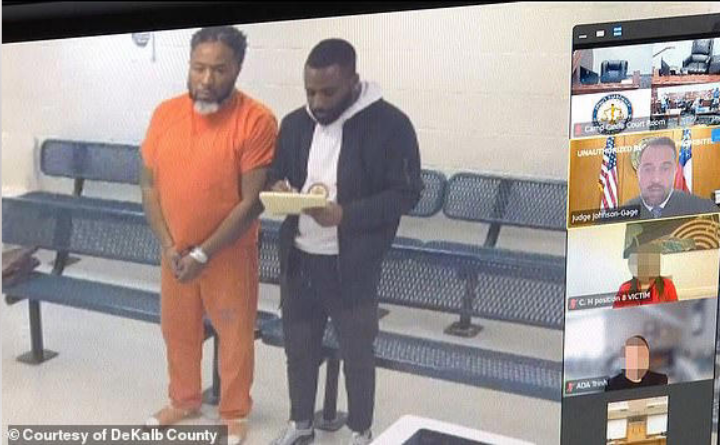
Here’s what makes the Devon Horton superintendent scandal even more troubling: Months before the federal indictment, DeKalb County Schools extended Horton’s contract through 2028 and raised his salary to $360,000. Then, weeks after the October 2024 indictment became public, Horton resigned. Finally, in January 2025, police arrested him in Georgia on domestic violence charges at his $735,000 six-bedroom home.
Did DeKalb County conduct adequate background checks before the contract extension? Additionally, were there warning signs from his Illinois tenure that officials ignored?
The Community Trust Betrayed
The Devon Horton superintendent scandal hits hardest because it exploits the very communities it claimed to serve.
Black Students Deserve Black Excellence, Not Excuses
DeKalb County Schools serves a predominantly Black student population. When Black parents supported a Black superintendent, they weren’t just hiring an administrator—they were investing hope in representation that would understand their children’s needs and fight for resources.
Horton allegedly betrayed that trust for premium restaurant meals and personal enrichment.
This is where we must be unflinching: We cannot defend the indefensible just because the accused is Black. Black students deserved better stewardship of resources meant for their education. Similarly, Black families deserved leadership that honored their trust. Black communities deserved accountability that didn’t require federal prosecutors from Illinois to finally intervene.
Demanding accountability from Black leaders isn’t feeding anti-Black narratives. Rather, it’s refusing to accept that Black communities should tolerate exploitation that we would never accept from anyone else.
The Futures That $120,000 Could Have Built
Every dollar misspent on premium catering represented a dollar stolen from Black students’ educational opportunities. In a district where more than 60% of students qualify for free or reduced lunch, that money could have funded after-school tutoring programs, technology access for digital futures, mental health services, teacher retention bonuses, and facility improvements.
Instead, according to allegations, Horton used it to buy upscale meals for purposes that remain unexplained.
Building Systems That Prevent Exploitation
The Devon Horton superintendent scandal isn’t just about prosecuting one individual. Instead, it’s about building institutional futures where this exploitation becomes impossible.
What True Accountability Looks Like
Real reform requires transparent spending oversight. Specifically, all purchasing card transactions above minimal thresholds should require real-time board notification and monthly public reporting. Technology exists to flag unusual spending patterns automatically.
Community accountability boards should give parents and community members direct oversight roles in reviewing administrative spending. Moreover, no individual should have unlimited purchasing authority—tiered approval processes should require multiple signatures for significant expenditures.
Annual independent forensic audits should become standard practice, not emergency responses to scandal. Additionally, when officials identify misuse, they should immediately suspend purchasing privileges and fast-track investigations.
Demanding Excellence, Not Excuses
The future we’re building for Black students requires leadership that views public resources as sacred trust, not personal slush funds. Furthermore, it requires systems designed to catch exploitation immediately, not years later when the damage is done.
This means rejecting defensive narratives about “attacks on Black leadership” when the real attack involves using Black students’ resources for personal benefit. Similarly, it means refusing to normalize corruption just because someone who looks like us commits it.
Black excellence in educational leadership means transparent stewardship, fierce advocacy for student resources, and accountability so rigorous that exploitation becomes unthinkable.
The Standard We Must Demand
Horton has pleaded not guilty to all federal charges, with his next status hearing scheduled for February 4, 2025. If convicted on the Illinois charges alone, he faces more than 10 years in prison. His attorney has disputed characterizations of the Georgia domestic violence arrest, emphasizing no child was harmed.
DeKalb County Schools maintains it remains “committed to transparency, fiscal responsibility, and the appropriate stewardship of public funds.” However, those words ring hollow until officials release the forensic audit and implement systemic reforms.
The Devon Horton superintendent scandal presents a test: Will we demand accountability and systemic reform, or will we accept that Black students and families should tolerate exploitation?
The answer must be unequivocal accountability. Black students deserve leaders who view every dollar of public funding as an opportunity to transform lives, not personal checking accounts. Likewise, Black communities deserve systems that make exploitation impossible.
The $2,600 Chick-fil-A charge isn’t just a scandalous detail. Rather, it’s a symbol of contempt—for oversight, for community, for the Black students whose resources Horton allegedly stole to fund meals they’ll never eat.
We can do better. We must do better. Consequently, it starts by refusing to accept anything less than excellence in the stewardship of our children’s futures.