
Black Founders Building Billion-Dollar Exits Without VC Approval: The Quiet Revolution
While the tech world obsesses over which Black founder will finally get the “right” venture capital check, a quiet revolution has already happened. Billions in value. Multiple exits. Global impact. And most of it built outside the traditional gatekeeping system that claims to care about diversity.
These Black tech founders didn’t wait for permission. They built billion-dollar companies through bootstrapping, community funding, revenue-first models, and unconventional paths that the Sand Hill Road playbook never anticipated. They’re not just building businesses—they’re architecting new economic systems that center community wealth and self-determination.
This is the story the tech press keeps missing. Here are eight Black entrepreneurs who crossed the billion-dollar finish line while everyone else was still debating whether they deserved a seat at the table.
The Alternative Path: Why Black Founders Are Rewriting Startup Rules
The venture capital model wasn’t built for Black founders—and increasingly, Black founders aren’t building for venture capital. While VC funding to Black founders remains stuck at around 1% of total investment, a parallel ecosystem has emerged: one built on community support, customer revenue, strategic bootstrapping, and models that prioritize sustainable growth over hockey-stick projections.
This isn’t just about making do without VC. It’s about building companies that actually serve Black communities, retain founder control, and create generational wealth without giving away equity to investors who don’t understand the market.
The numbers tell the story traditional media won’t: Black-owned businesses generate over $200 billion in annual revenue, with tech companies increasingly leading that growth. Many have reached unicorn status or achieved major exits without the “validation” of top-tier VC firms.
8 Black Tech Founders Who Built Billion-Dollar Value Their Own Way
1. Tope Awotona: Calendly’s $3 Billion Bootstrap Story
When Tope Awotona founded Calendly in 2013, he maxed out three credit cards and sold his house to fund the company. No accelerator. No seed round. No Silicon Valley connections.
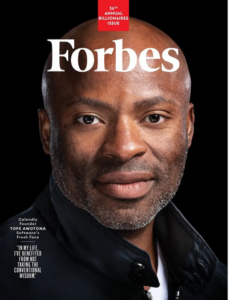
By 2021, Calendly reached a $3 billion valuation—after becoming profitable and reaching 10 million users. Awotona finally took VC funding, but only after proving the business on his own terms. He retained majority ownership, something rare for founder-CEOs in venture-backed companies.
The Calendly approach: Build something people actually need, charge for it from day one, and scale sustainably. Revolutionary concept.
2. Tristan Walker: Building Black Excellence in Consumer Tech
Tristan Walker founded Walker & Company Brands in 2013 to solve a problem venture capitalists didn’t think existed: quality grooming products for people of color. The company’s flagship brand, Bevel, became the first Black-owned brand in Target stores nationwide.
In 2018, Procter & Gamble acquired Walker & Company. While the exact terms weren’t disclosed, the acquisition marked a major exit that validated building for underserved communities. Walker’s approach was simple: identify a real problem, build authentic solutions, and trust that the market is bigger than VCs think.
Post-acquisition, Walker hasn’t slowed down. His work continues to focus on building infrastructure for Black entrepreneurs and proving that companies serving Black consumers can achieve massive scale.
3. Morgan DeBaun: Blavity’s Media Empire Built on Community
Morgan DeBaun co-founded Blavity in 2014 as a digital media platform for Black millennials. Rather than chasing traditional media revenue models, DeBaun built a portfolio approach: Blavity, AfroTech, 21Ninety, Shadow and Act, and Home & Texture.
The company raised some venture funding, but stayed focused on community needs over investor demands. AfroTech conference alone attracts over 35,000 attendees and has become the premier gathering for Black professionals in tech.
Blavity’s valuation has climbed steadily, with the company positioned as a potential major exit in the coming years. More importantly, DeBaun built real infrastructure that serves Black professionals, creators, and entrepreneurs—proving that community-first business models scale.
4. Olamide Olowe: Topicals’ Direct-to-Consumer Revolution
At just 25, Olamide Olowe co-founded Topicals, a skincare company addressing hyperpigmentation and other skin conditions common in melanated skin. The company raised initial funding but focused heavily on direct-to-consumer sales and community building.
Within two years, Topicals reached eight-figure revenue and expanded into major retailers. Olowe’s approach combines authentic community engagement with smart business fundamentals—no diversity theater, just real products solving real problems.
The company represents a new wave of Black founders in consumer tech who understand that the real money is in owning customer relationships and building brands that communities trust.
5. Eunique Jones Gibson: From Viral Campaigns to Tech Innovation

Eunique Jones Gibson started with “Because of Them, We Can,” a viral social media campaign celebrating Black history. She turned that cultural moment into sustained business, eventually pivoting into tech solutions for creators and cultural campaigns.
Gibson’s path showcases how Black founders are leveraging the creator economy and cultural influence to build valuable companies. Her work bridges media, technology, and community organizing—creating value that traditional VCs often can’t measure but that translates into real business outcomes.
6. The Black Tech Street Movement: Building Ecosystem Value
While not a single founder story, the Black Tech Street initiative in Tulsa represents a collective approach to building billion-dollar value. The project aims to create a Black tech hub that rivals traditional Silicon Valley ecosystems, with focus on ownership, community wealth, and alternative funding models.
This ecosystem approach—building infrastructure that supports hundreds of Black founders simultaneously—may prove more valuable long-term than any single unicorn exit. It’s Afro-Futurism in practice: designing systems that create lasting wealth and opportunity.
7. The Bootstrapped SaaS Founders Flying Under the Radar
Dozens of Black founders are building profitable SaaS companies generating seven and eight figures in annual revenue—companies most people have never heard of because they don’t need press releases or funding announcements.
These founders are playing the long game: building sustainable businesses, maintaining ownership, and creating wealth without the drama of VC fundraising. Their exits, when they come, happen quietly through acquisitions or steady growth to nine-figure valuations.
8. The Next Wave: Community-Funded and Creator-Led Ventures
A new generation of Black founders is building through community funding rounds, creator economies, NFT projects, and revenue-sharing models that didn’t exist five years ago. These approaches allow founders to maintain control while building directly with their communities.
Companies are launching with community pre-sales, using crowdfunding to validate product-market fit, and building loyal customer bases before ever talking to investors. It’s a return to principles of community wealth building with modern technology enabling scale.
The Playbook: How Black Founders Are Building Without Traditional VC
Start With Revenue, Not Fundraising
The most successful Black founders in this cohort focused on customer revenue from day one. They built businesses that solved real problems and charged appropriately, rather than chasing vanity metrics to impress investors.
Build for Community First
These founders understood their communities intimately and built products that served real needs. This authentic connection translated into customer loyalty, word-of-mouth growth, and sustainable business models.
Maintain Control and Ownership
By bootstrapping or taking strategic funding, these founders kept majority ownership and decision-making power. This allowed them to build for long-term value rather than short-term exits that benefit investors more than founders.
Leverage Alternative Capital Sources
From community funding rounds to creator revenue to strategic grants, Black founders are accessing capital outside traditional VC. This diversification reduces dependence on investors who may not understand the market.
Build Infrastructure, Not Just Products
The most impactful founders are creating platforms, communities, and ecosystems—not just individual products. This infrastructure creates lasting value and multiple revenue streams.
Why This Matters: The Future of Black Wealth Creation in Tech
These success stories aren’t anomalies—they’re blueprints. As traditional VC continues to underfund Black founders, alternative paths are proving not just viable but superior for building sustainable, community-centered wealth.
The future of Black entrepreneurship in tech isn’t about getting a seat at the table. It’s about building better tables.
These founders are proving that you don’t need venture capital’s permission to build billion-dollar value. You need vision, persistence, community support, and the courage to build differently.
The quiet takeover is already happening. The question is whether the rest of the world will notice before these founders have already built the next generation of economic power.
Take Action: Support the Revolution
Don’t just read about these founders—support them. Use their products. Invest if you can. Share their stories. Attend their events.
The next wave of Black-founded billion-dollar companies is being built right now, outside the spotlight, beyond the traditional VC circuit. These founders don’t need permission—but they do need community support.
Black Tech Watchlist Resources:
- Read MaonoTech articles here and read AfroTech for coverage of Black founders and tech professionals
- Support Black-owned tech companies through your purchasing decisions
- Join community funding rounds and investment opportunities when available
- Attend conferences and events that center Black entrepreneurship
- Mentor or support emerging Black founders in your network
The revolution won’t be venture-backed. It’ll be community-powered, founder-owned, and unstoppable.